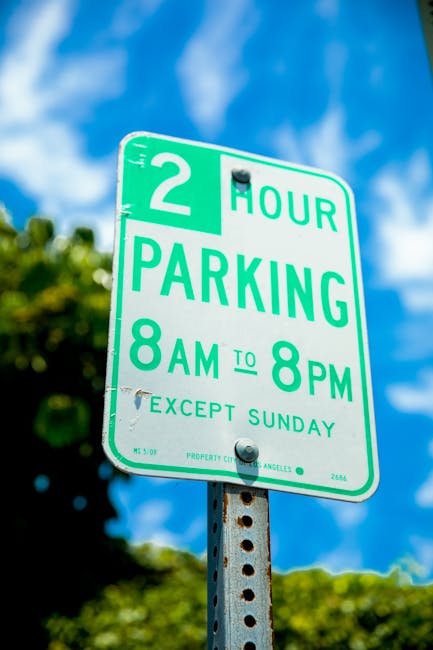
Docklands removal company parking and permit rules explained
Parking can make or break a move in Docklands. Narrow estate roads, controlled parking zones, loading restrictions, concierge desks, busy waterfront streets, and the occasional "just for five minutes" driver all add pressure on moving day. If you are trying to understand Docklands removal company parking and permit rules explained, the short version is this: plan the vehicle access first, not last. The right bay, the right permit, and the right timing can save you delays, stress, and the kind of awkward conversation nobody wants at 8 a.m. with a fully loaded van outside the block.
In this guide, we explain how parking for removals typically works in Docklands, what kinds of permits or suspensions may be needed, how removal teams usually prepare, and where people go wrong. You will also get a practical checklist, a comparison table, and a realistic example from a typical Docklands move. Let's make the moving-day bit feel a lot less like guesswork.
Table of Contents
- Why parking and permit rules matter in Docklands
- How Docklands parking and permit arrangements work
- Key benefits and practical advantages
- Who this is for and when it makes sense
- Step-by-step guidance
- Expert tips for smoother access
- Common mistakes to avoid
- Tools, resources and recommendations
- Law, compliance and best practice
- Options and comparison table
- Case study or real-world example
- Practical checklist
- Conclusion
- Frequently asked questions
Why Docklands removal company parking and permit rules explained Matters
Docklands is not the easiest place to park a large vehicle. That is not a complaint, just reality. Streets are often busy, space is tight, and many residential and commercial buildings have access rules that look simple on paper but become fiddly once a van turns up. For a removal company, parking is not just a convenience issue. It affects loading distance, labour time, safety, and whether the move happens calmly or turns into a last-minute scramble.
Think about what happens if the van cannot stop close to the entrance. Boxes get carried further. Furniture takes longer to load. The team has to cross more pavement, negotiate pedestrians, and maybe wait while another vehicle moves. A move that should have been straightforward starts to leak time. And in removals, time is not abstract; it is directly tied to cost and stress.
There is also the compliance side. In many parts of London, parking restrictions are active for much of the day. Some buildings require advance notice. Some streets need a permit or suspension arranged in advance. Some loading areas are shared, and some are not really loading areas at all, despite what a hopeful driver might assume. To be fair, a lot of move-day problems come from assuming there will be somewhere obvious to stop. There usually isn't.
If you are booking removal services for a Docklands property, parking should be part of the booking conversation from the beginning. The same goes for smaller moves such as a man with van booking, a flat removal, or a larger office removals project. Different jobs need different access planning, but the principle stays the same: get the vehicle close enough, legally and safely.
How Docklands removal company parking and permit rules explained Works
In practical terms, Docklands removal parking rules work in layers. First, there is the street or estate rule. Then there may be a building rule. Then there is the removal company's own planning process. When these three layers line up, the move feels almost easy. When one of them is missing, things get messy quickly.
1. Street parking rules
Some roads have controlled parking zones, permit-only sections, loading bays, single yellow lines, or time-limited restrictions. A removal van may be allowed to stop for loading under certain conditions, but that does not mean it can simply sit there all day. This is where timing matters. Early morning can be calmer. Midday can be busier. After work, Docklands traffic can get very stop-start, and everyone seems to be looking for the same patch of road.
2. Building or estate access rules
Many Docklands apartment buildings and estates have their own procedures. You may need to book a service lift, reserve a loading bay, or tell the concierge the vehicle registration in advance. Some buildings have strict move-in or move-out windows. Others ask for floor protection, lift padding, or proof of insurance before they let the team in. It sounds formal, but honestly it can save the whole day if handled neatly.
3. Vehicle type and size
Not every move needs a large lorry. A smaller van may fit more easily into tighter Docklands streets and courtyards, while a larger vehicle can be more efficient for bulkier jobs. The wrong choice can be awkward. A vehicle that is too large may struggle to access the property. One that is too small may need multiple trips. That is why removal van and moving truck options need to be matched to the site, not just the size of the load.
4. Permit or suspension arrangements
Depending on the location, a parking permit, bay reservation, or formal suspension may be needed. In many moves, the removal company or the customer arranges this in advance. Sometimes the building management handles part of it. Sometimes the removals team gives guidance and asks the customer to confirm local requirements. Either way, nobody should leave this until the morning of the move. That is when the phone calls start, and not the fun kind.
5. On-the-day loading practice
Once the vehicle is legally positioned, the team needs a sensible loading plan. That means cones or warning signs where appropriate, careful carrying routes, and clear communication with neighbours or building staff if the access point is shared. The goal is simple: load efficiently without blocking access longer than necessary.
For some clients, especially those moving from a high-rise apartment or a busy business unit, using a more flexible option such as man and van can be practical. For others, especially larger family homes or commercial offices, a more structured move service makes better sense.
Key Benefits and Practical Advantages
Getting the parking and permit side right offers more than convenience. It changes the whole tone of the move.
- Less delay: the team can start loading sooner when the vehicle is close by.
- Lower physical strain: fewer extra metres carrying heavy furniture or boxes.
- Better safety: shorter carrying routes reduce the chance of trips, bumps, and awkward turns.
- Cleaner communication: everyone knows where the vehicle is allowed to stand and for how long.
- More accurate scheduling: no guessing games about waiting time or access issues.
- Better neighbour relations: less blocking, less noise, less irritation on a shared street or estate.
There is a financial upside too, even if nobody likes talking about that part. Delays caused by parking issues can create extra labour time, and extra labour time may affect the final bill depending on the booking terms. If you are comparing removal companies, ask how they handle parking problems and whether they include access planning in the quote. It is one of those things that seems small until it isn't.
Expert summary: In Docklands, the best removal day is rarely the one with the fanciest vehicle. It is the one where parking, permits, building access, and loading distance are planned before the boxes even leave the kitchen.
Who This Is For and When It Makes Sense
This guidance is useful for just about anyone moving in or out of Docklands, but it becomes especially relevant in a few common scenarios.
Apartment and flat movers
Docklands flats are often in buildings with shared access roads, underground parking, or controlled entrance points. If you are using flat removals, the parking plan matters almost as much as the packing plan. A lift booking and a loading bay reservation can save a lot of wasted time.
Office and commercial moves
Businesses moving out of Docklands buildings often have tighter timelines and less tolerance for disruption. For commercial moves, parking access has to be coordinated with staff, contractors, and building management. Nobody wants a reception area full of servers because the van is two streets away.
Families moving house
For house removals or a broader home moves booking, parking can still be a major issue, especially if you have awkward access, narrow roads, or several flights of stairs. Families tend to underestimate how many trips a full house actually generates. Then it is suddenly mid-afternoon and the kettle is still boxed up.
Students and short-term renters
Student lets and short stays often involve smaller loads but tighter timing. A student removals job may only need a modest vehicle, yet Docklands parking rules still apply. Small move, same restrictions. Annoying, yes. But manageable.
People needing quick turnaround
If you have a short completion window or are moving at the end of a tenancy, you may need same day removals. That is exactly when parking becomes even more important because there is less room for error.
Step-by-Step Guidance
If you want to handle Docklands parking and permit rules properly, follow a simple sequence. It does not have to be complicated. In fact, the simpler the process, the better.
- Check the property access first. Look at the road, the entrance, and whether the vehicle can reasonably stop nearby.
- Ask the building or estate manager what is required. Find out if you need a loading bay, a lift booking, a registration update, or a move-time restriction.
- Confirm local parking restrictions. Look for permit-only zones, bay time limits, and loading rules. If the street is heavily controlled, assume you will need something arranged in advance.
- Choose the right vehicle. A smaller vehicle can be easier in tight Docklands streets, while larger moves may need a more capable option such as removal truck hire.
- Build a loading plan. Decide which items go first, how they will be carried, and where the van will stand.
- Allow a little breathing room. Quite often, a move takes slightly longer than expected. Not wildly longer, just enough to matter.
- Keep everyone informed. Building staff, neighbours, and the removal team should all know the move window and the access point.
- Document anything unusual. If there are height restrictions, gate codes, or one-way entry systems, write them down. A forgotten gate code at 7:30 in the morning is not a great start.
If you are ordering packing support too, use the same mindset. A move with packing and boxes or packing and unpacking services is easier to stage when the access plan is already settled.
Expert Tips for Better Results
Here are the little things that tend to make the biggest difference in Docklands.
- Book access before booking the lift in your head. People often plan the items and forget the building rules. The building wins, every time.
- Ask about early arrivals. A van arriving too early can cause just as much friction as one arriving late.
- Use a calm loading zone if available. A quiet side entrance or courtyard can be far easier than the nearest visible kerb.
- Keep heavy items close to the door on move day. Sounds obvious, but it reduces the time the vehicle is needed on street.
- Label awkward items clearly. If the crew knows what needs special handling, they can load around it.
- Tell neighbours or concierge staff in advance. A quick heads-up prevents a lot of "I didn't realise" conversations.
- Have payment and paperwork ready. It sounds boring, but awkward admin can slow things down. If you want to understand that side too, the company's payment and security and terms and conditions pages are useful places to review before move day.
One more thing: do not rely on memory alone. Half of the access problems I have seen start with "I thought the concierge said..." or "I'm pretty sure the bay was free." That kind of confidence is charming, until it isn't.
Common Mistakes to Avoid
Most parking issues are avoidable. The frustrating bit is that they are usually very avoidable.
Leaving permits too late
If a permit, suspension, or bay reservation is needed, leaving it until the day before is risky. In Docklands, timing and approvals can take longer than you expect. It is much safer to confirm access early and get written approval where possible.
Assuming "loading only" means "park anywhere"
It does not. Loading allowances can be limited by time, location, or vehicle type. A removal van cannot always stop just because the sofa is large and the driver is tired.
Ignoring estate rules
Some estates have strict vehicle entry processes. If you ignore those rules, you may be turned away or delayed while someone tries to sort it out from reception. Not ideal.
Booking the wrong size vehicle
Too small and you need extra trips. Too large and you may not fit where you need to be. For many Docklands moves, the best approach is to match the vehicle to the site, not just the volume of items.
Forgetting access times
Some buildings only allow removals at certain hours. If you turn up outside the slot, you may be waiting on the pavement with a full van. That is rarely a pleasant surprise.
Not telling the removal team about awkward access
Steps, bollards, height limits, underground car parks, and tight corners matter. Even small details change the plan. A good team can work around these things, but only if they know about them.
Tools, Resources and Recommendations
You do not need a complicated toolkit for this. A few practical resources and habits are enough.
- Property access notes: Keep all building instructions in one message or document.
- Vehicle registration details: Useful if the building asks for advance notification.
- Floor plan or room list: Helps the removal team understand where items are going and what needs the most careful handling.
- Move-day contact list: Include the concierge, the property manager, and the main contact for the moving team.
- Photo references: If a loading area or entrance is tricky, a couple of quick phone photos can help explain it far better than a text message.
For larger or more sensitive moves, it is also worth reviewing related service pages before you book. If you are moving office equipment, take a look at office relocation services. If the move is built around a smaller crew and vehicle, the man with a van and man with van options may be closer to what you need. For heavier or specialist items, piano removals is the sort of service where access planning becomes absolutely crucial.
If storage is part of the plan, especially in a staggered move, you may also want to consider storage so the collection and delivery windows are easier to coordinate. That can take a surprising amount of pressure off.
Law, Compliance, Standards, or Best Practice
Parking and permit arrangements in Docklands need to fit with local parking controls, estate rules, and general road safety duties. While the exact rules vary by location, a few best-practice principles are consistent across London.
First, do not obstruct traffic or pedestrian access. A removal vehicle should be positioned so that loading can happen safely without blocking residents, emergency access, or clear footpaths more than necessary.
Second, use permits or bays properly. If a bay is reserved or a permit is issued for a certain time, stick to the conditions attached to it. This is not just polite; it reduces the chance of enforcement issues or complaints.
Third, make risk management part of the job. Good removal practice includes safe manual handling, sensible carrying routes, and careful vehicle positioning. If you want to understand the company's wider approach to these duties, the health and safety policy and insurance and safety pages are relevant trust signals to review.
Fourth, be honest about access limitations. If a street is too tight for a larger vehicle, say so early. If the loading area is shared, explain that. Best practice is really just practical honesty dressed up in a tidier coat.
For businesses, there is also a responsibility to keep disruption reasonable and to plan the move in line with internal site procedures. A commercial move in a managed Docklands building should be treated as a coordinated event, not a casual van drop-off. That is especially true for office removals where staff, documents, and equipment all depend on timing.
Options, Methods, or Comparison Table
Different moves in Docklands call for different parking approaches. Here is a simple comparison to help you think it through.
| Option | Best for | Parking impact | Typical advantage |
|---|---|---|---|
| Small van or man and van | Studio flats, light loads, flexible moves | Easier to fit into tighter streets and courtyards | Good for access-heavy locations |
| Standard removal van | One- to two-bedroom moves, mixed household items | Balanced size for many Docklands streets | Efficient without being overly bulky |
| Large moving truck | Large house moves, bigger office relocations | May need more careful access planning | Fewer trips, better for heavy volumes |
| Pre-booked loading bay | Managed buildings and business premises | More structured but often smoother | Close access with fewer surprises |
| Permit or suspension arrangement | Controlled streets with limited stopping | Requires advance organisation | Can secure lawful stopping space near the door |
There is no single "best" method for everyone. A family move from a larger Docklands apartment block may need a proper loading bay and bigger vehicle. A student move with four boxes, a lamp, and a suspiciously heavy desk probably does not. The right answer depends on the site, the load, and the time window.
Case Study or Real-World Example
Here is a very typical Docklands scenario. A couple is moving out of a riverside apartment on a weekday morning. The flat is on a higher floor, the building has a concierge, and the road outside is busy by 8:30 a.m. They think the van can just stop outside for half an hour. It sounds reasonable. It also sounds like the kind of plan that lasts until the first delivery vehicle arrives behind them.
Instead, they confirm the building's move-out procedure three days in advance. The concierge asks for the vehicle registration, the move window, and whether the lift needs to be protected. The removal team recommends a smaller vehicle rather than a large truck because the access road is tight and turning space is limited. The couple also keeps the main entrance clear and moves loose items into one room the night before.
On the day, the van parks in the correct loading position. The team gets in and out efficiently. The lift is ready. The move is done without the stop-start drama that so many Docklands jobs pick up when parking is left to chance. Nothing flashy. Just organised.
And really, that is the point. The best access plan often looks a bit boring from the outside. But boring is brilliant on moving day.
Practical Checklist
Use this before the van arrives.
- Confirm the exact moving address and entrance point
- Check whether the building requires lift booking or concierge notification
- Ask if a parking permit, loading bay, or suspension is needed
- Verify whether there are time restrictions on move-in or move-out
- Tell the removal team about steps, gates, height limits, or narrow access
- Choose the right vehicle size for the street and the load
- Keep permit details, contact numbers, and key codes ready
- Move valuables and essentials separately
- Label large or awkward items clearly
- Leave a little extra time in the schedule, just in case
If you are still comparing options, browsing removals and the broader removal companies information can help you decide what kind of support fits the property and the parking conditions best.
Conclusion
Docklands removal parking does not have to be difficult, but it does have to be handled properly. The mix of controlled streets, managed buildings, and busy access routes means the difference between a smooth move and a stressful one often comes down to a few simple decisions: plan the parking early, confirm the permit or bay rules, and make sure the vehicle fits the site as well as the load.
Once those pieces are in place, the rest of the move feels much more manageable. You can focus on boxes, furniture, timing, and the odd forgotten charger, rather than worrying whether the van is about to be moved on. That alone is worth the effort. Truth be told, a little admin at the start saves a lot of hassle later.
Get a free quote today and see how much you can save.
And if you are planning a Docklands move soon, take a breath, sort the access properly, and trust the process. A well-planned move has a quiet kind of relief to it, the sort you only notice once the last box is inside.
Frequently Asked Questions
Do I need a parking permit for a removal van in Docklands?
Sometimes, yes. It depends on the street, the building, and the exact stopping arrangement. Some locations allow loading only for a limited time, while others need a permit, bay reservation, or advance approval. It is best to check early rather than guess.
Who usually arranges the parking permit for a Docklands move?
That depends on the property and the removals provider. In some cases, the customer arranges access with the building or local parking authority. In other cases, the removal company gives guidance and helps coordinate the plan. Ask before move day so everyone knows their role.
Can a removal van just stop outside my flat for loading?
Not always. Even if the van only needs a short stop, local restrictions may still apply. A loading bay, permit, or timed arrangement may be needed, especially in busy Docklands streets or managed estates.
What happens if the van cannot park close to the property?
If the van has to park further away, the team may need extra time and more carrying distance. That can slow the move and add pressure on the day. It is not disastrous, but it is far from ideal. Planning access early helps avoid it.
Is a smaller vehicle better for Docklands parking?
Often, yes, especially for flats, tight roads, and access-limited buildings. A smaller vehicle can be easier to position legally and safely. But if you have a large household or office load, a bigger vehicle may still be more efficient overall. It is a balance.
Should I tell my building manager before moving day?
Yes, absolutely. Many Docklands buildings have rules about lift use, loading times, vehicle access, and concierge procedures. Giving notice early can save a lot of confusion later.
Do office moves need the same parking planning as home moves?
They usually need even more. Office relocations often involve equipment, staff schedules, and stricter building access rules. Parking and permit planning should be part of the move schedule from the beginning.
How early should I sort out parking and permit rules?
As early as you can. A few days ahead is better than the night before, and earlier is better still if the building is strict. The more controlled the site, the more important early planning becomes.
What should I ask a removal company about parking in Docklands?
Ask whether they have experience with Docklands access, what vehicle size they recommend, whether they can work with permits or loading restrictions, and what they need from you in advance. Clear answers early on are a good sign.
Are same-day removals possible if parking has not been arranged?
They may be possible, but the parking issue still needs attention. A fast booking does not remove local restrictions. If access is uncertain, let the company know immediately so they can advise on the most practical vehicle and timing.
What if my apartment block has a loading bay but it is often busy?
Then advance booking becomes even more important. Shared or popular bays can be the first thing to fill up on move day. If the building allows reservations, take advantage of that and keep the confirmation handy.
Can storage help if parking access is awkward?
Yes, in some cases. If your move has to happen in stages, storage can make the process easier by reducing the amount of furniture and boxes that need to be handled at once. That can be very helpful when access is tight or time windows are short.
If you want to explore the wider company background, the team's about us page is a useful place to start, and their contact us page can help you raise any access questions before the big day. For additional reassurance on how they handle customer care, the complaints procedure and recycling and sustainability pages are also worth a look when you are comparing providers.